
Kings County News and Mugshot Sources
Brooklyn has no citywide NYPD blotter that pairs names with booking photos. One arrest might start at a precinct, move to arraignment, then split two ways: a walk out the door or a stretch in city custody. That fork explains why a news story, a Department of Correction result, and a court docket can surface on different days. So a blank custody result does not settle whether an arrest happened.
Where do you start? The NYPD newsroom and the NYPD press-release feed are the official doors. Both publish what the department chooses, when it chooses. Expect public-safety announcements, wanted notices, department business, and select cases. There is no fixed county schedule and no promise of complete booking coverage.
Numbers, not names, live in the Arrest Data Year to Date set. Filter it by Brooklyn's borough code and you get incident-level and statistical fields. No names, no photos. It can't tell you who is locked up right now or confirm any single case.
Official Kings County News Channels First
Think of the NYPD newsroom as a curated government channel. A release might detail an investigation or a safety concern. Sometimes it includes an image the department chose to publish. Photos appear when NYPD says so. Nothing routine exists here. The city posts no standing booking-photo display for Kings County through either NYPD or NYC DOC.
Once arraignment ends in custody, the NYC DOC Inmate Lookup becomes the tool that matters. It is text only. You may find charges, court location, Book and Case Number, NYSID, where the person is held, release details, and bail or bond amounts. A photo field is not part of it. Someone released on a Desk Appearance Ticket, on recognizance, or on bail may never show up there at all.
The first day or two run through a different channel. NYC311's arrested-person instructions point callers to 311 or 212-NEW-YORK during the initial police-custody window, usually the first 24 to 48 hours. That phone line can help you find where someone is held. It can also suggest where arraignment is likely. It posts no gallery and no news.
Note: A DOC entry can shift fast after a release or transfer, while an old news story stays online with outdated custody facts.
Kings County News Outlet Details
Local outlets fill the gap that official feeds leave wide open. Brooklyn reporters work with what they can get. Their material includes police statements, court complaints, surveillance clips, body-camera footage, and event photos. None of that adds up to a standing Kings County booking gallery. Read each piece for its date and its sourcing. Then check present status through the official record path before drawing conclusions.
| Outlet | Coverage | Image context | Where to look |
|---|---|---|---|
| NYPD newsroom and press releases | Selected city public-safety items and department releases | Only material NYPD elects to release, not a routine booking feed | Official NYPD pages |
| News 12 Brooklyn | Brooklyn crime and local reporting | Reporting, video, police, or event imagery rather than a standard booking gallery | Brooklyn crime section |
| Brooklyn Eagle | Local crime, arrest, suspect, and court/disposition reporting | Article-specific reporting imagery, not routine booking photographs | Crime section and crime tag |
| Spectrum NY1 Brooklyn | Brooklyn news, including ongoing crime and arrest stories | Article-specific reporting or event imagery | Brooklyn page |
| Gothamist | NYC-wide policy and crime coverage that can include Brooklyn | Reporting imagery rather than a Kings County booking gallery | NYC news coverage |
The Spectrum NY1 Brooklyn page is one such outlet, built around borough reporting rather than any arrest ledger.
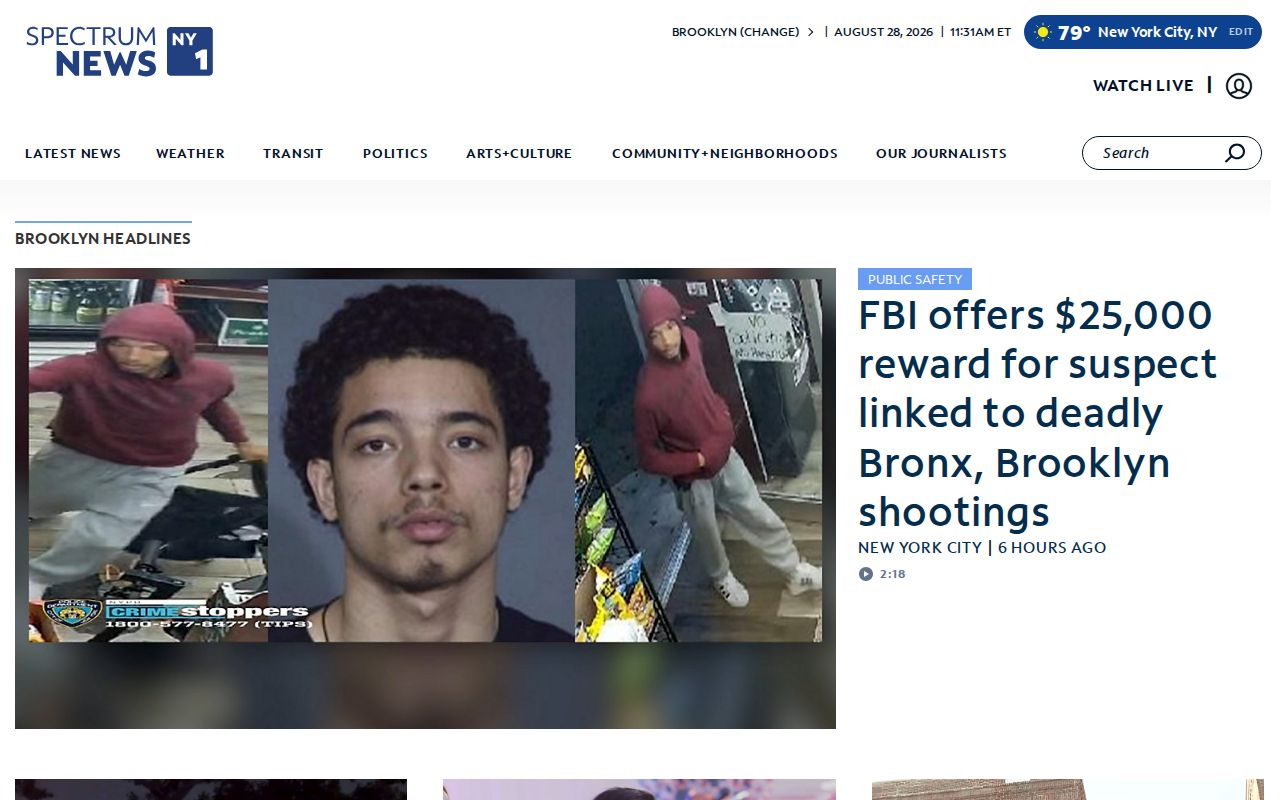
Keep that editorial frame in mind. A news article is selective by nature. It tells one angle of one moment, not a full roster of who was busted in Kings County or a statement of where a case now stands.
Kings County News Images Need Context
Local outlets in Brooklyn handle crime coverage in their own way. News 12 Brooklyn keeps a standing crime section. The Eagle, NY1, and Gothamist take a different approach. They publish when something feels newsworthy, whether that is an arrest, an ongoing investigation, a complaint, or a later courtroom development. Silence is not evidence either way. A story that never ran can still describe an event that happened, and a story that did run only tells part of it. Headlines and photos carry weight, but they do not stand in for the actual charge or the court file behind it.
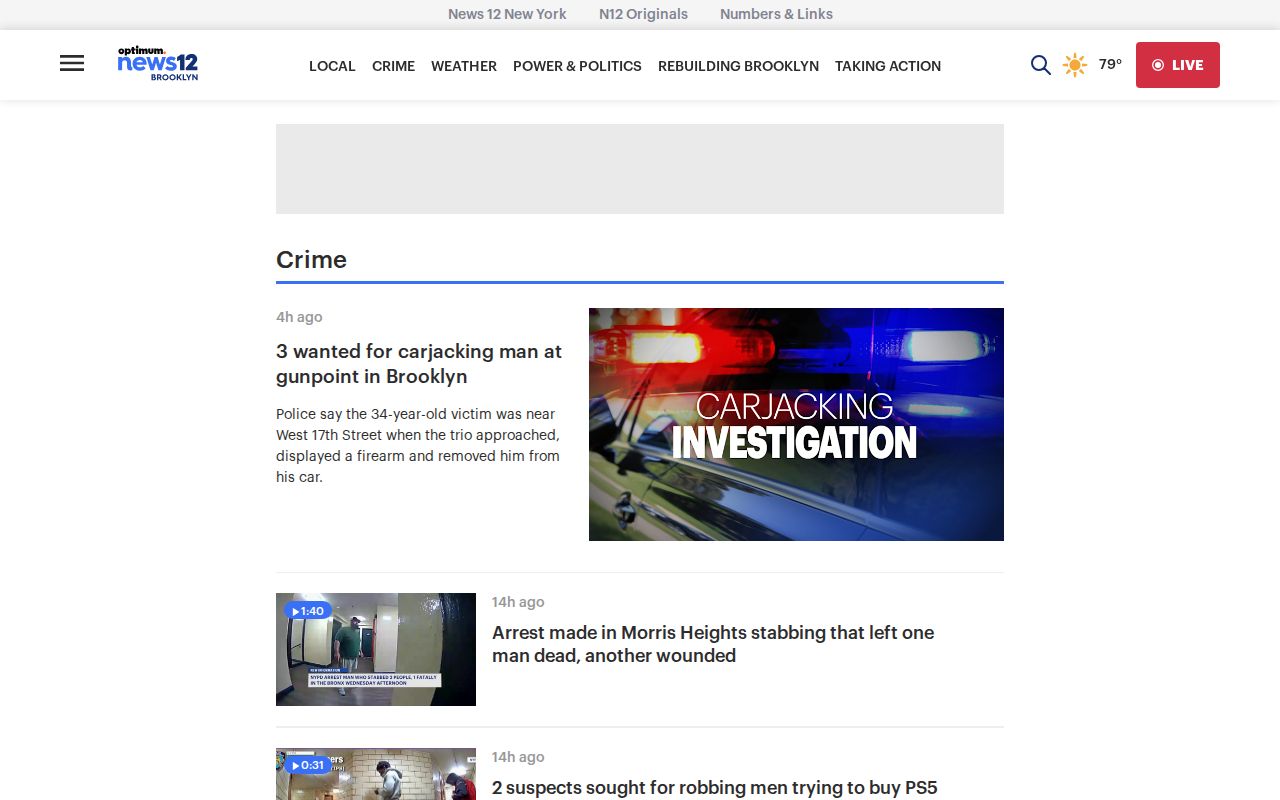
Pictures attached to a news story come with their own labels for a reason. That image might show a street scene. It might show an elected official, a video still, or something a police department released. Treat each photo as what the caption says it is. Assuming it is a fresh booking photo of the person named in the headline is a mistake readers make far too often.
Kings County Press Photos Have Limits
Why would police hold back a booking photo? The NYPD press-information policy spells out its reasons. An open investigation can justify silence. So can a pending court matter, fair-trial worries, public safety, confidential sources, privacy, victim protection, and limits on naming children in most cases. These are deliberate safeguards. Treat them that way, not as puzzles to defeat.
No New York statute makes booking photos a routine public handout. What gets released turns on FOIL, agency exemptions, Article 160 sealing rules, department policy, and any court order. Someone with a genuine records question can file through NYPD FOIL, though each request is judged case by case. Name the person, the date, the precinct, and the exact record sought. Custody questions handled by the Department of Correction go down the NYC DOC FOIL route instead.
Trace Kings County News to Case Records
A news story opens the door. It does not close the case file. Before turning to official sources, write down what the outlet gave you: its name, publication date, the spelling of the person's name, the precinct or borough reported, and any case or arrest numbers mentioned. Kings County's naming trips people up, too. A reporter writes Brooklyn. The court file says Kings. The city's own systems often say New York City. Same place, three labels.
- Read the named source and distinguish what it attributes to police, court papers, witnesses, or its own reporting.
- For a very recent police-custody question, use NYC311’s arrested-person route rather than expecting a newsroom post.
- For someone held after arraignment, check NYC DOC’s current inmate lookup and read the case, court, and release fields, not just a name match.
- Use NYC Courts e-Courts and the Kings Criminal Court record path to locate the case and later outcome.
- When a formal result is needed, seek a Certificate of Disposition from the court instead of treating a story or booking label as the result.
Once you have the article, treat it as a lead only. Charges listed at booking can shift, shrink, or vanish as a case moves through court. A DOC release date answers one question, not another. The newspaper's latest update may not match the final court action. The docket, not the headline, is where the story ends.
Kings County Secondary Mugshot Pages
Start any search with the official sources: NYPD, the Department of Correction, and the courts. Among secondary sites, only one carries a New York City or Brooklyn local label: Mugshots.com's New York City page. It shows its age, with an old arrest-date entry in plain view. Nothing there is official. Nothing there proves identity, custody, or where a case stands. An agency or court record always outranks it.
RecentlyBooked, Arrests.org, and Busted Newspaper have no verified Kings County local page. Say so plainly, because a plausible-looking county web address is easy to guess and hard to trust. An unverified address should never be passed around as a local source. A broad state directory or an aging third-party image is, at best, a lead that still needs confirmation through the police, DOC, or the courts.
For detention status, records, and case outcomes, return to the official city systems laid out on the Kings County record and custody page. Match the source to the question. Fresh police custody, current city detention, an agency record request, and a court result are four separate searches.
History is another matter entirely. The NYC Department of Records and Information Services and New York archival collections can answer questions about older files and retention rules. Neither covers current arrests. A decades-old photo or file entry tells you nothing about who is in custody now or how a modern Kings County case was resolved.
Note: Never share or repost an old third-party image as proof of a person's current identity, custody, or legal status.